Sea Land Doodle Art Pattern: A Creative Resource for Designers and Artists
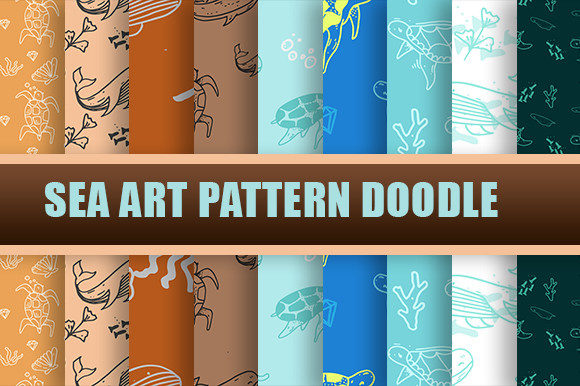
The Sea Land Doodle Art Pattern is a unique design concept that blends the natural beauty of marine and terrestrial landscapes with the expressive freedom of doodle art. This pattern offers a versatile foundation for creative projects, combining geometric elements with organic shapes to create visually engaging compositions. Whether used in graphic design, textile printing, or digital illustration, the Sea Land Doodle Art Pattern provides a distinctive aesthetic that can enhance a wide range of artistic and commercial applications.
What Makes Sea Land Doodle Art Pattern Unique?
At its core, the Sea Land Doodle Art Pattern integrates elements of nature—such as waves, shorelines, and landforms—with stylized, hand-drawn patterns. This fusion results in a design that feels both structured and spontaneous, allowing artists to explore different levels of detail and complexity. The pattern’s adaptability makes it suitable for various mediums, including digital files in EPS and JPG formats, which are widely used in professional design workflows.
One of the standout features of the Sea Land Doodle Art Pattern is its scalability. Whether applied to a small logo or a large mural, the design maintains its clarity and visual appeal. This quality is particularly valuable for designers who need consistent results across multiple platforms and sizes.
Key Characteristics and Practical Value
The Sea Land Doodle Art Pattern is characterized by its balance between abstraction and realism. It often includes repetitive motifs such as oceanic textures, coastal silhouettes, and abstract representations of landmasses. These elements can be customized to suit specific themes or branding needs, making the pattern highly flexible for different creative purposes.
For professionals working in fields like fashion, interior design, or digital media, the Sea Land Doodle Art Pattern offers a rich source of inspiration. Its geometric structure allows for easy integration into vector-based designs, while its hand-drawn aesthetic adds a personal touch that can differentiate a project from more rigid, industrial styles.
The availability of the pattern in editable formats like EPS and JPG ensures that users have the freedom to modify and refine the design according to their requirements. This level of control is especially beneficial for artists and designers who want to maintain creative ownership over their work.
Real-World Applications and Performance
In practical terms, the Sea Land Doodle Art Pattern has proven effective in a variety of scenarios. For instance, it can serve as a background for marketing materials, providing a subtle yet engaging visual element that complements other design components. It also works well in coloring books or educational resources, where its intricate details encourage interaction and creativity.
When used in textile design, the pattern can add a sense of movement and depth to fabrics, making it ideal for clothing, accessories, or home decor items. Its ability to blend seamlessly with other design elements ensures that it remains relevant across different industries and product categories.
Additionally, the Sea Land Doodle Art Pattern is well-suited for digital illustrations and web graphics. Its clean lines and structured layout make it easy to render in high-resolution formats, ensuring that it looks sharp on screens of all sizes.
Strengths and Limitations
A major strength of the Sea Land Doodle Art Pattern is its versatility. It can be adapted to fit a wide range of artistic styles, from minimalist to elaborate, depending on the user’s preferences and project goals. This flexibility is further enhanced by the availability of the pattern in multiple file types, allowing for seamless integration into various design software and platforms.
However, the pattern may not be suitable for every application. Its detailed nature could be overwhelming in certain contexts, such as simple logos or minimalistic designs where clarity and simplicity are prioritized. In such cases, users may need to simplify or reinterpret the pattern to align with their specific needs.
Another consideration is the level of expertise required to fully utilize the pattern. While it is accessible to beginners, those looking to customize or expand upon the design may benefit from a basic understanding of graphic design principles and tools.
Who Benefits Most from Sea Land Doodle Art Pattern?
The Sea Land Doodle Art Pattern is particularly useful for creative professionals, including illustrators, graphic designers, and artists who seek unique visual assets for their projects. It is also valuable for educators and content creators looking for engaging material for students or audiences interested in art and design.
Entrepreneurs and small business owners may find the pattern useful for branding, packaging, or promotional materials. Its aesthetic appeal can help establish a strong visual identity that resonates with target audiences. Similarly, hobbyists and DIY enthusiasts can use the pattern as a starting point for personal projects, such as custom T-shirts, journals, or home decor items.
For those involved in digital art or online publishing, the Sea Land Doodle Art Pattern offers a way to add a distinct visual element to websites, social media posts, or digital publications. Its compatibility with common file formats ensures that it can be easily shared and used across different platforms.
Recommendations and Final Thoughts
If you’re looking for a creative resource that combines natural themes with artistic expression, the Sea Land Doodle Art Pattern is worth exploring. Its combination of geometric precision and organic fluidity makes it a compelling choice for a wide range of design applications.
For users new to doodle patterns, it’s advisable to start with simpler designs before experimenting with more complex ones like the Sea Land Doodle Art Pattern. This approach can help build confidence and improve technical skills over time.
Ultimately, the Sea Land Doodle Art Pattern is a valuable addition to any designer’s toolkit, offering both aesthetic appeal and functional utility. Whether used as a standalone element or integrated into larger projects, it has the potential to elevate the visual quality of your work and inspire new creative directions.