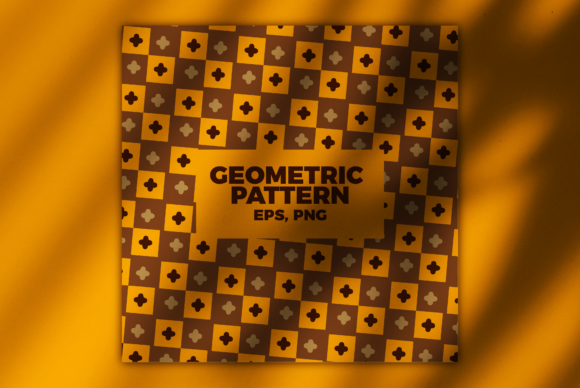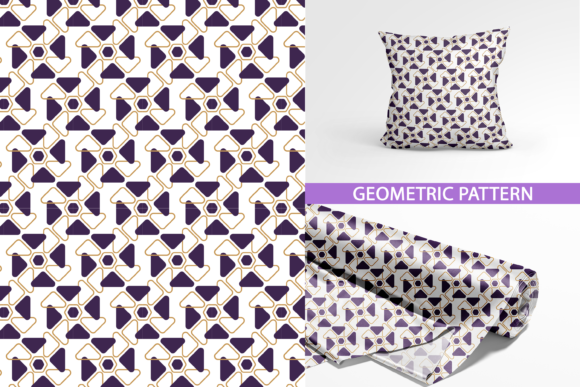
Geometric Pattern with Stripes, Lines
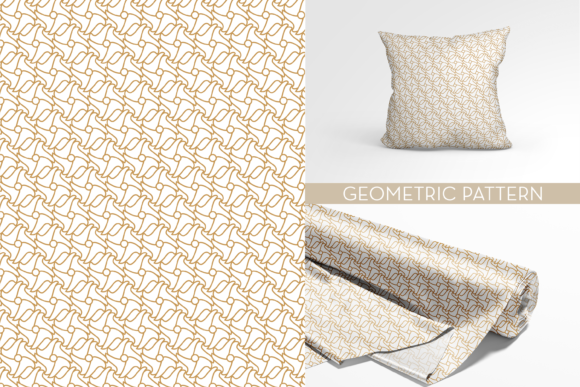
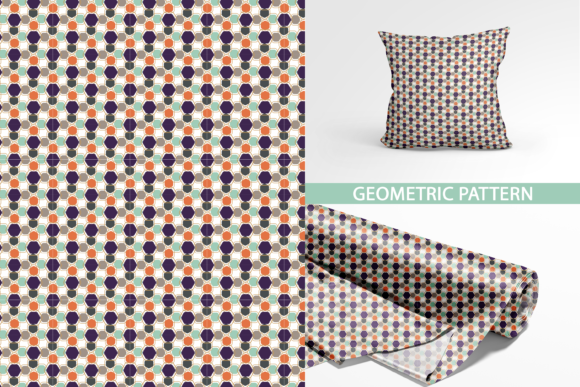
Geometric pattern with stripes and lines is a versatile design element that brings structure, rhythm, and visual interest to any project. These patterns are often created using precise shapes like rectangles, triangles, and polygons arranged in repeating sequences. The result is a clean, modern aesthetic that can be adapted to various applications. Whether you're working on digital art, print media, or interior design, these patterns offer a powerful tool for creative expression.
Real-World Applications of Geometric Pattern with Stripes, Lines
One of the most common uses of geometric pattern with stripes and lines is in graphic design. Designers often incorporate these elements into logos, branding materials, and website layouts to create a sense of order and professionalism. For instance, a tech startup might use a subtle stripe pattern as a background for its landing page, adding depth without overwhelming the viewer.
In the world of fashion, geometric patterns have become increasingly popular. From high-end runway collections to streetwear, designers use stripes and lines to add visual contrast and movement. A bold striped dress or a line-patterned jacket can make a strong statement while maintaining a modern, sophisticated look.
Interior design is another area where geometric pattern with stripes and lines shines. These designs can be used in wallpaper, flooring, and furniture to create a dynamic space. A living room with a striped wall or a floor with a line-based tile pattern can transform a simple room into a visually engaging environment. This approach works especially well in contemporary or minimalist settings where simplicity is key.
How Different Users Benefit from Geometric Pattern with Stripes, Lines
For artists and illustrators, geometric pattern with stripes and lines offers a foundation for experimentation. These patterns can serve as a base for more complex illustrations or as standalone artwork. Digital artists may use them in vector graphics to create scalable designs that maintain clarity at any size.
Businesses looking to update their branding can also benefit from these patterns. A retail store might use a geometric pattern as part of its signage or packaging, creating a cohesive and recognizable identity. The clean lines and structured layout of such patterns help reinforce a brand's image of professionalism and innovation.
Homeowners and DIY enthusiasts find value in geometric pattern with stripes and lines when decorating their spaces. Whether it's through fabric choices, wall art, or decorative accessories, these patterns can add a touch of style without requiring a complete redesign. They are especially useful for those who want to experiment with different aesthetics without making permanent changes.
Practical Examples and Observations
Consider a designer working on a mobile app interface. Incorporating a subtle geometric pattern with stripes and lines can enhance the user experience by guiding attention and improving readability. The pattern might appear in the background of a screen, subtly reinforcing the app's theme without distracting the user.
In the realm of product packaging, geometric patterns are often used to stand out on shelves. A food company might choose a striped or lined pattern for its cereal boxes, making the product more eye-catching while maintaining a clean, organized appearance. This approach can be particularly effective for brands targeting younger audiences who appreciate modern, stylish designs.
Another example is in the field of education. Teachers and educators use geometric patterns in classroom materials to help students grasp concepts related to geometry, symmetry, and spatial reasoning. These visual tools make abstract ideas more tangible and engaging for learners of all ages.
Key Considerations Before Using Geometric Pattern with Stripes, Lines
Before incorporating geometric pattern with stripes and lines into a project, it's important to consider the context and purpose. The scale of the pattern matters—too large, and it may overwhelm the design; too small, and it might go unnoticed. Balancing the pattern with other elements ensures it complements rather than competes with the overall composition.
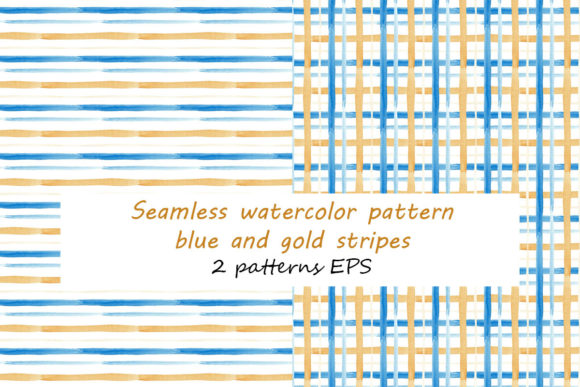
Color choice is another critical factor. While black and white stripes or lines are classic and timeless, adding color can introduce new dimensions and moods. However, it's essential to ensure that the colors harmonize with the rest of the design to avoid a cluttered or unbalanced look.
File format and resolution are also important considerations. High-resolution files like .PNG and .SVG allow for clear, crisp displays at any size, making them ideal for both digital and print use. Vector formats such as .AI and .EPS provide flexibility for editing and scaling, which is crucial for professional projects.
Strengths and Limitations of Geometric Pattern with Stripes, Lines
The strength of geometric pattern with stripes and lines lies in its adaptability. It can be used across multiple industries and mediums, from fashion to architecture. Its clean, structured nature makes it easy to integrate into various design schemes, offering a timeless appeal that remains relevant over time.
However, there are limitations to consider. In some cases, overly repetitive patterns can become monotonous or lose their impact. It's important to use them thoughtfully and in moderation to maintain visual interest. Additionally, not all geometric patterns will suit every project—choosing the right one depends on the specific goals and audience of the design.
Ultimately, geometric pattern with stripes and lines is a valuable resource for anyone looking to add visual depth and sophistication to their work. Whether you're a designer, artist, or business owner, understanding how to use these patterns effectively can open up new creative possibilities and enhance the overall quality of your projects.