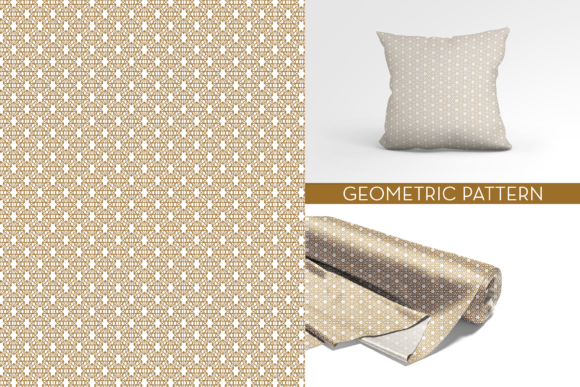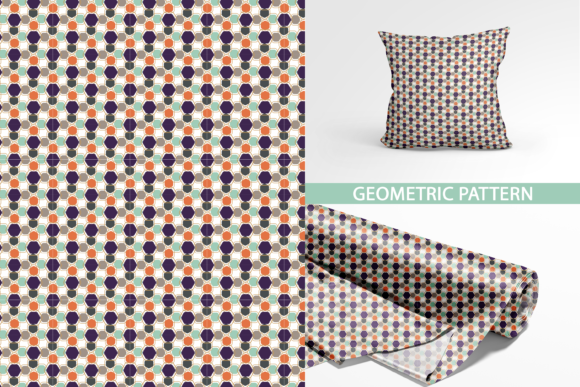
Pattern with Geometric Shapes: A Modern Design Essential for Creative and Professional Projects
In today’s fast-paced creative and design landscape, the use of Pattern with Geometric Shapes has become a powerful tool for professionals across various industries. From fashion to interior design, these intricate and visually striking patterns are not just aesthetic choices—they are strategic assets that enhance visual storytelling, brand identity, and product appeal. With their high-resolution quality and seamless adaptability, geometric patterns offer endless possibilities for innovation and customization.
Understanding Pattern with Geometric Shapes
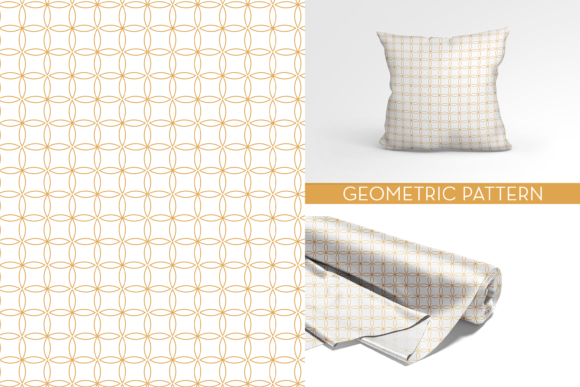
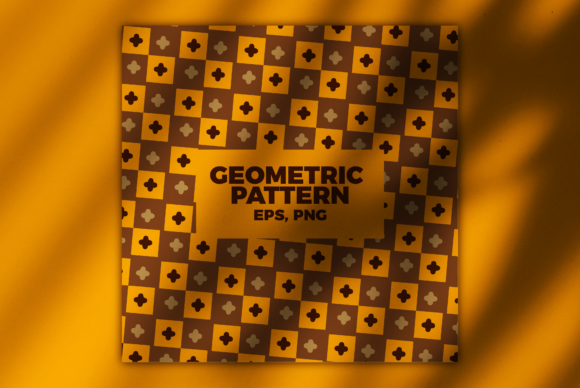
Pattern with Geometric Shapes refers to the repetition of structured, often symmetrical designs composed of lines, angles, and polygons. These patterns can range from simple, minimalist forms to complex, layered compositions that create depth and movement. The key characteristics include precision, symmetry, and a strong visual rhythm that can be tailored to suit different creative needs.
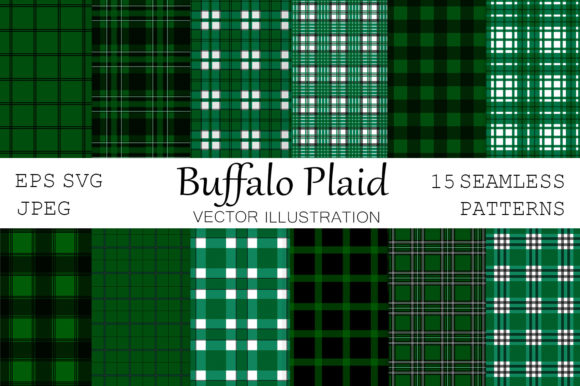
One of the most popular examples is the Tartan Seamless Pattern, which blends traditional Scottish heritage with modern design sensibilities. This pattern, available in multiple file formats such as .AI, .EPS, .PNG, .JPG, .DXF, .PDF, and .SVG, offers versatility for both digital and physical applications. Whether you're designing a wallpaper, a fabric print, or a packaging layout, the seamless nature of these patterns ensures a continuous, uninterrupted design without visible seams or gaps.
The Growing Importance of Geometric Patterns in Design
Geometric patterns have long been a staple in art and design, but their relevance has surged in recent years due to evolving consumer preferences and technological advancements. As businesses seek to stand out in a crowded market, the use of bold, structured visuals has become a way to convey professionalism, creativity, and modernity.
For instance, in the world of Wallpapers, geometric patterns are no longer just background elements—they are focal points that define the mood and style of a space. Trendy vector illustrations allow designers to create unique, customizable wallpapers that reflect individual tastes while maintaining a cohesive aesthetic. These patterns are also increasingly used in Decorative Paper, Fashion Design, and House Interior Design, where they add texture, contrast, and visual interest.
Moreover, the rise of digital design tools and vector illustration software has made it easier than ever to manipulate and apply geometric patterns. With features like 3000×2000 Pixel Dimensions, RGB Color Mode, and High Resolution, these patterns are optimized for both print and digital use, ensuring clarity and consistency across all mediums.
Why Geometric Patterns Are Capturing Attention
There are several reasons why Pattern with Geometric Shapes has gained so much attention in recent years. One of the primary factors is the growing demand for unique and customizable designs. In an era where personalization is key, geometric patterns provide a flexible foundation that can be adapted to fit specific themes, brands, or projects.
Another reason is the shift towards minimalist and modern aesthetics. Many consumers and businesses are moving away from cluttered, busy designs in favor of clean, structured visuals. Geometric patterns align perfectly with this trend, offering a sense of order and sophistication that resonates with contemporary audiences.
Additionally, the seamless nature of these patterns makes them ideal for large-scale applications, such as wall coverings, textiles, and digital interfaces. Their ability to repeat without distortion ensures that the design remains consistent and visually appealing, regardless of the size or context in which they are used.
Practical Applications Across Industries
The versatility of Pattern with Geometric Shapes means it can be applied in a wide range of industries. For example:
- Fashion Design: Geometric patterns are frequently used in textile design, adding visual interest to garments and accessories. They can be printed on fabrics, used in embroidery, or incorporated into digital mockups for fashion collections.
- Interior Design: From wall murals to furniture upholstery, geometric patterns bring a modern edge to home and commercial spaces. They can be used to create a focal point, add texture, or complement existing decor elements.
- Marketing and Branding: Companies are using geometric patterns in logos, packaging, and advertising materials to create a distinctive visual identity. These patterns help brands stand out while maintaining a professional and cohesive look.
- Hand Crafts: Artists and crafters are incorporating geometric patterns into their work, whether through painting, drawing, or digital illustration. The high-resolution and editable formats make it easy to integrate these designs into handmade products.
These practical applications demonstrate how Pattern with Geometric Shapes is more than just a design trend—it's a valuable resource that enhances creativity, efficiency, and visual impact across multiple domains.
Embracing the Future of Design with Geometric Patterns
As technology continues to evolve, the role of Pattern with Geometric Shapes is likely to expand even further. With the increasing availability of vector illustration tools and editable file formats, designers and creators have more freedom than ever to experiment, innovate, and personalize their work.
Moreover, the emphasis on customization and seamless integration reflects a broader shift in the design industry towards flexibility and adaptability. Whether you're working on a small-scale project or a large-scale production, geometric patterns provide a reliable and versatile solution that can be tailored to meet specific needs.
In conclusion, Pattern with Geometric Shapes is not just a design choice—it's a strategic decision that can elevate your work, streamline your workflow, and connect you with a wider audience. By leveraging the power of these patterns, professionals and creatives can stay ahead of the curve and continue to push the boundaries of what’s possible in the world of design.