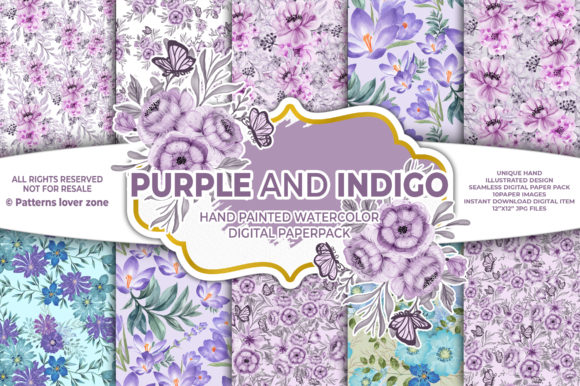
Pattern Design for Everyday Use and Creative Projects
Pattern design is more than just an aesthetic choice—it's a powerful tool that can enhance visual communication, streamline production processes, and add consistency across multiple platforms. Whether you're creating a custom phone case, designing a t-shirt, or developing content for a blog, pattern design plays a crucial role in shaping the final outcome. Understanding how to use and integrate pattern design into your workflow can make a significant difference in efficiency, quality, and versatility.
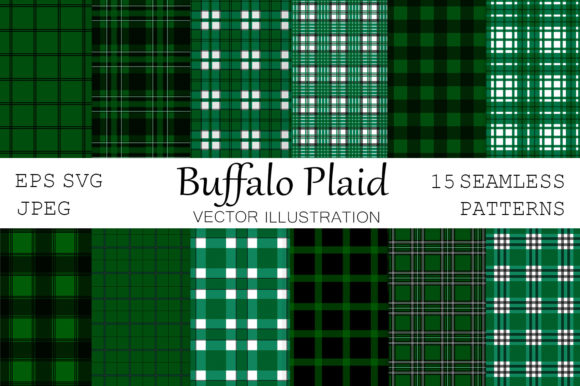
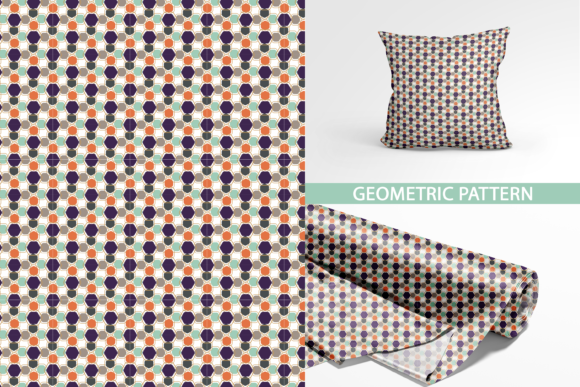
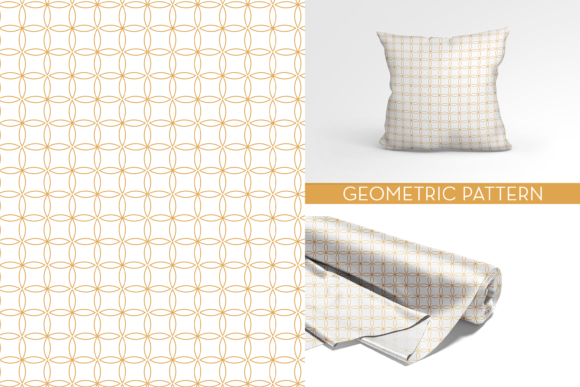
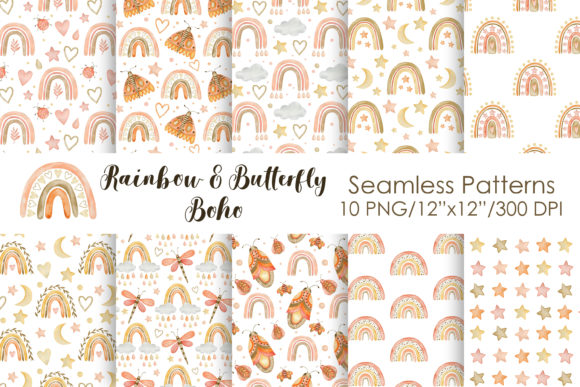
From digital assets like AI, EPS, PSD, JPEG, PNG, and SVG files to physical applications such as tote bags, pillows, and printed paper, pattern design offers endless possibilities. It fits naturally into both creative and practical workflows, serving as a bridge between concept and execution.
What Is Pattern Design and How Does It Fit Into a Broader Process?
At its core, pattern design involves creating repeating elements that form a cohesive visual structure. These elements can be geometric shapes, textures, motifs, or abstract compositions. The process often begins with a clear purpose—whether it’s to reinforce brand identity, create a unique look for a product, or support a narrative in a digital or print medium.
In a broader workflow, pattern design typically comes after initial concept development but before final output. It may be used to refine a visual theme, test different styles, or prepare assets for various formats. For example, a graphic designer might develop a pattern for a website header, then adapt it for social media posts, email templates, and printed materials.
Pattern design also interacts with other tools and methods. It works alongside typography, color theory, and layout principles to ensure visual harmony. When integrated with design software like Adobe Illustrator or Photoshop, it allows for precise control over scalability, resolution, and compatibility across different mediums.
Using Pattern Design in Different Stages of a Project
Pattern design can be applied at various points in a project lifecycle. Before starting a new task, it can help set the tone and direction. During the execution phase, it supports consistent branding and visual continuity. After completion, it ensures that all deliverables align with the intended aesthetic and functional goals.
For instance, a small business owner launching a new line of products might begin by defining a pattern theme that reflects their brand’s identity. This pattern could then be used on packaging, marketing materials, and online storefronts. Similarly, a blogger planning a series of posts might use a consistent pattern to maintain a recognizable style across their content.
Pattern design also plays a role in decision-making. When choosing between different design options, a well-crafted pattern can provide clarity and reduce uncertainty. It helps teams align on visual expectations and ensures that all stakeholders have a shared understanding of the final output.
How Pattern Design Integrates With Other Tools and Resources
Pattern design is not an isolated activity—it works best when combined with other design elements and tools. For example, a pattern created in Adobe Illustrator can be exported as an SVG file for web use or as a PNG for social media. This flexibility makes it easier to adapt designs across platforms without losing quality or coherence.
When working with clients or collaborators, pattern design can serve as a common reference point. It simplifies communication by providing a visual framework that everyone can understand. This is especially useful in cross-functional teams where designers, developers, and marketers need to align on a shared vision.
Additionally, pattern design can interact with existing assets. A logo, for instance, can be incorporated into a larger pattern to create a unified look. This approach enhances brand recognition and ensures that all visual elements work together seamlessly.
Practical Tips for Implementing Pattern Design in Your Workflow
Integrating pattern design into your routine requires careful planning and organization. Start by defining your goals and identifying the platforms where the pattern will be used. This helps determine the required file formats, resolutions, and dimensions.
Use a consistent naming convention for your files to avoid confusion. For example, label patterns as "pattern_name_version_format" to track changes and versions easily. This is especially important when working with multiple team members or revisiting projects after a long time.
Test your patterns on different devices and backgrounds to ensure they look good in all contexts. A pattern that works well on a white background may appear too dark or too light on a colored surface. Adjusting contrast and spacing can improve readability and visual appeal.
Consider the scalability of your design. Patterns used in print require higher resolution than those used digitally. Always check the specifications for each platform to ensure your design meets the necessary standards.
Factors to Consider for Long-Term Use and Consistency
Consistency is key when using pattern design over time. A well-structured pattern should remain adaptable while maintaining its core identity. This means avoiding overly complex elements that may become outdated or difficult to update.
Quality control is another important factor. Regularly review your patterns to ensure they meet the intended standards. If you’re working with a team, establish clear guidelines for modifying or updating patterns to prevent inconsistencies.
Organization plays a major role in long-term success. Keep your pattern files in a centralized location, and document any changes or updates. This makes it easier to reference past work and ensures that new projects can build on previous efforts.
Real-World Applications of Pattern Design
Pattern design has a wide range of applications across industries and disciplines. In fashion, it’s used to create fabric prints for clothing and accessories. In marketing, it enhances visual storytelling through banners, infographics, and social media graphics. In interior design, it adds texture and depth to walls, furniture, and decor.
For digital creators, pattern design can be a valuable asset in content production. Bloggers, YouTubers, and podcasters often use patterns to create engaging visuals that support their message. These patterns can be applied to thumbnails, headers, and promotional materials to strengthen brand presence.
Entrepreneurs and small businesses benefit from pattern design by creating unique products that stand out in the market. Custom phone cases, tote bags, and stationery items can be designed with personalized patterns that reflect the brand’s personality and values.
Conclusion: Embracing Pattern Design for Better Outcomes
Pattern design is a versatile and effective tool that can enhance both creative and practical workflows. By understanding its role in different stages of a project, integrating it with other design elements, and following best practices for implementation, you can unlock new levels of efficiency and creativity.
Whether you're a professional designer, a small business owner, or a hobbyist, incorporating pattern design into your process can lead to better results and greater satisfaction. With the right approach, it becomes not just a design choice, but a strategic advantage.