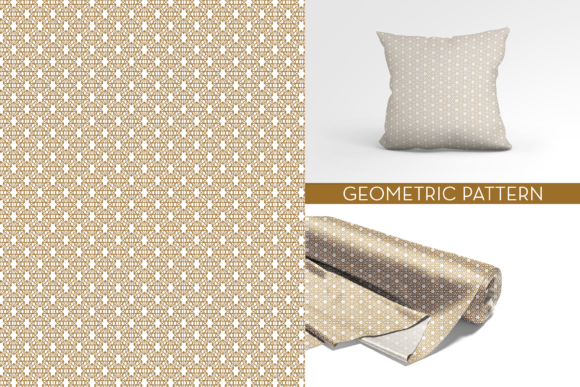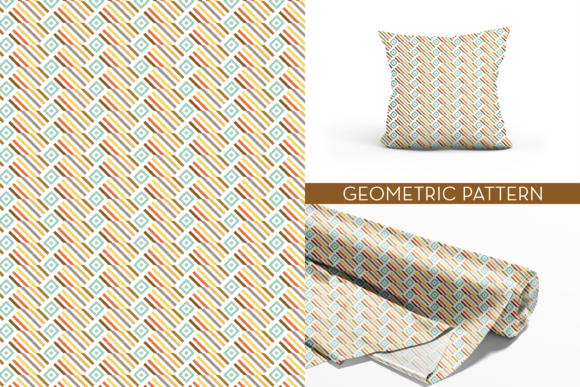
Moroccan Geometric Pattern: A Timeless Fusion of Art and Design
Moroccan geometric pattern has long been a symbol of intricate beauty and cultural richness. Rooted in the artistic traditions of North Africa, these patterns are more than just visual elements—they are a language of symmetry, balance, and storytelling. Their appeal lies in their ability to transform spaces, materials, and creative projects with a touch of authenticity and sophistication. Whether used in interior design, fashion, or digital media, Moroccan geometric patterns offer a versatile foundation that can be adapted to various contexts and styles.
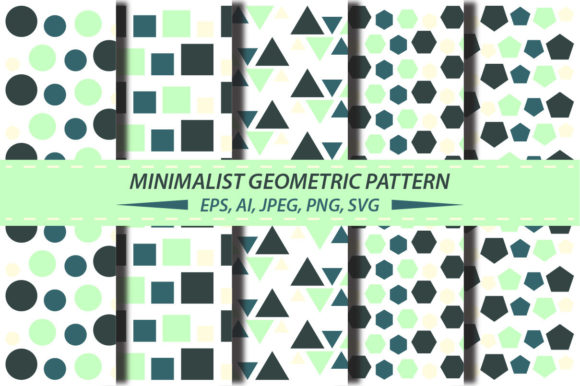
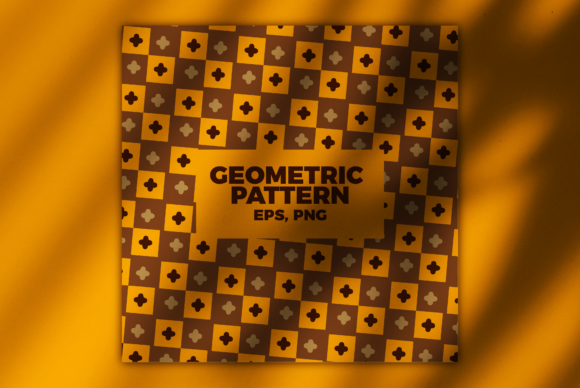
One of the most striking features of these patterns is their high-resolution quality. Designed with precision, they maintain clarity and detail at any scale, making them ideal for both large-scale applications like wall coverings and smaller projects such as textiles or graphic illustrations. This level of detail ensures that every line, curve, and angle contributes to a cohesive and visually compelling composition.
The versatility of Moroccan geometric pattern extends beyond aesthetics. It serves as a powerful tool for designers, artists, and creators looking to infuse their work with cultural depth and visual interest. The seamless nature of these designs allows for easy integration into various formats, ensuring that they can be used without visible repetition or distortion. This makes them particularly valuable for projects requiring continuous patterns, such as wallpapers, fabric prints, or decorative tiles.
Applications Across Industries
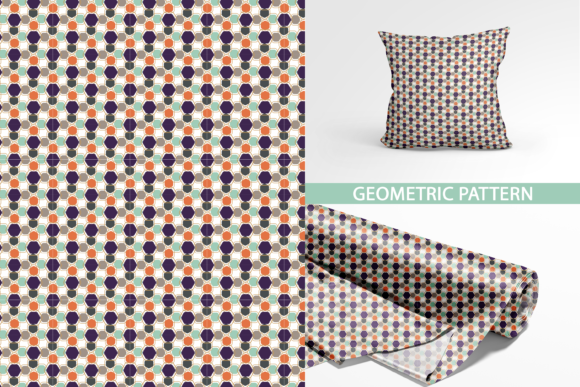
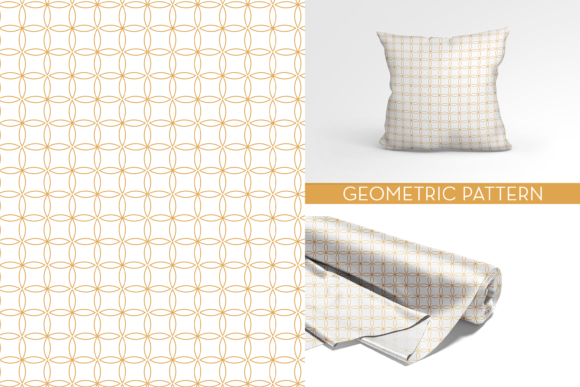
The use of Moroccan geometric pattern is not limited to a single field. Its adaptability makes it a popular choice across multiple industries, from architecture and interior design to fashion and digital art. In home decor, these patterns can be found on rugs, cushions, and wall panels, adding an exotic yet elegant touch to living spaces. They also serve as a source of inspiration for contemporary furniture and lighting designs, where traditional motifs are reinterpreted through modern materials and techniques.
In the world of fashion, Moroccan geometric pattern appears in textiles, accessories, and even footwear. Designers often incorporate these motifs into fabrics, creating pieces that reflect the vibrant heritage of Morocco while maintaining a modern edge. The pattern’s complexity allows for variations that suit different styles, from bohemian to minimalist, making it a flexible choice for both high-end and mass-market collections.
For digital creators, the availability of these patterns in multiple file formats—such as .AI, .EPS, .PNG, .JPG, .PDF, and .DXF—offers unparalleled flexibility. These files are editable, scalable, and suitable for a wide range of software, enabling users to customize the designs according to their specific needs. Whether working on a website layout, a mobile app interface, or a print project, the ability to adjust colors, sizes, and compositions ensures that the pattern remains relevant and effective in any context.
Key Features and Advantages
One of the standout characteristics of Moroccan geometric pattern is its seamless design. Unlike other patterns that may require careful alignment or adjustment, these designs flow effortlessly across surfaces, eliminating the need for manual tiling or repetition. This feature is especially beneficial for wallpaper, fabric, and tile applications, where continuity is essential for achieving a professional finish.
Another significant advantage is the high resolution of these patterns. With dimensions of 3000×2000 pixels and RGB color mode, they provide exceptional clarity and vibrancy. This makes them suitable for both digital and print use, ensuring that the final product maintains its visual integrity regardless of the medium. The transparent background option in PNG files also allows for greater flexibility when integrating the pattern into existing designs or backgrounds.
The ease of customization is another key benefit. Whether adjusting colors, scaling the design, or modifying specific elements, the vector-based nature of these files allows for precise control. This level of adaptability is particularly useful for businesses and professionals who need to align the pattern with brand guidelines or project-specific requirements.
Use Cases and Creative Possibilities
Moroccan geometric pattern finds application in a variety of creative fields. For instance, in handcrafts, it can be used as a template for embroidery, pottery, or woodcarving, allowing artisans to create unique pieces that reflect traditional craftsmanship. Its intricate details make it ideal for projects that require a high level of precision and attention to detail.
In educational settings, these patterns can serve as a teaching tool for students studying design, art history, or cultural studies. By analyzing the structure and symbolism of Moroccan geometric patterns, learners can gain insights into the historical and cultural significance of these designs. Additionally, they can experiment with digital tools to recreate or modify the patterns, fostering both technical and creative skills.
For researchers and historians, Moroccan geometric pattern offers a rich subject for exploration. The patterns often carry symbolic meanings related to spirituality, identity, and community. Studying their evolution over time provides a deeper understanding of how cultural expressions are shaped by social, religious, and environmental factors.
Considerations for Effective Use
While Moroccan geometric pattern is highly versatile, it is important to consider the context in which it is used. The complexity of the design may not be suitable for all applications, particularly those requiring minimalistic or clean aesthetics. In such cases, simplifying the pattern or selecting a variation with fewer elements can help achieve the desired effect.
Additionally, the choice of color scheme plays a crucial role in determining the overall impact of the pattern. While traditional Moroccan designs often feature bold and vibrant hues, modern interpretations may opt for more subdued or neutral tones. Selecting colors that complement the surrounding environment or align with a specific theme can enhance the visual harmony of the design.
Finally, it is essential to respect the cultural origins of these patterns. While they can be adapted and modified for contemporary use, it is important to acknowledge their roots and avoid misrepresentation. This approach not only honors the tradition but also ensures that the design is used in a thoughtful and respectful manner.